Our Blog
Insights, stories, and knowledge from COMPSEI on psychosocial support, community empowerment, climate resilience, and advocacy in Nigeria.
Latest from COMPSEI
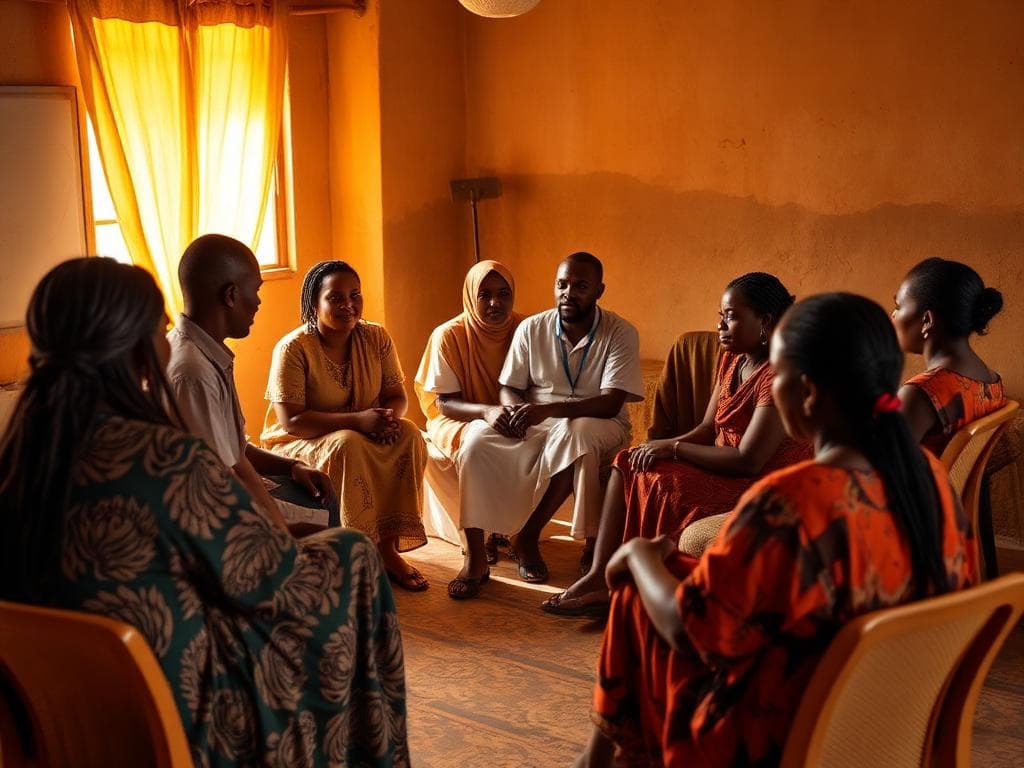
Understanding Psychosocial Support: What It Means for Nigerian Communities
Psychosocial support (PSS) addresses the mental, emotional, and social needs of individuals and communities. In Nigeria, where cultural stigma and limited access to services intersect, community-based PSS is transforming lives.
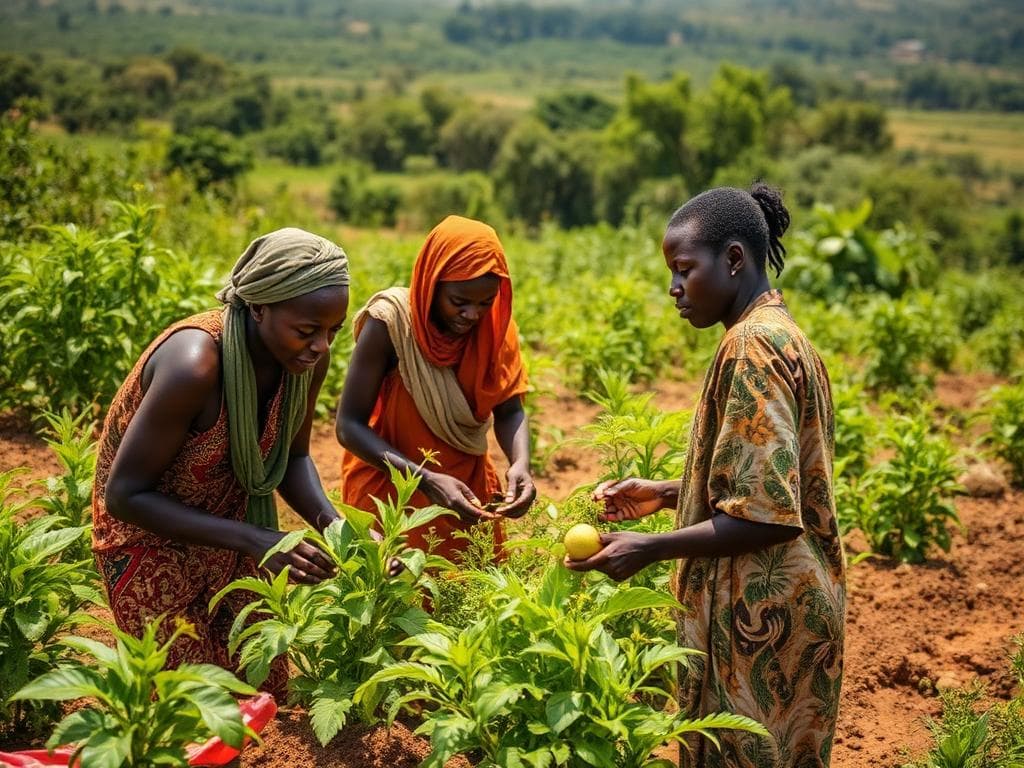
Climate Change and Mental Health: The Hidden Crisis Facing Rural Nigeria
As flooding, drought, and crop failure become more frequent across Nigeria, the psychological toll on communities is often overlooked. COMPSEI explores the link between climate impacts and mental health — and what an integrated response looks like.
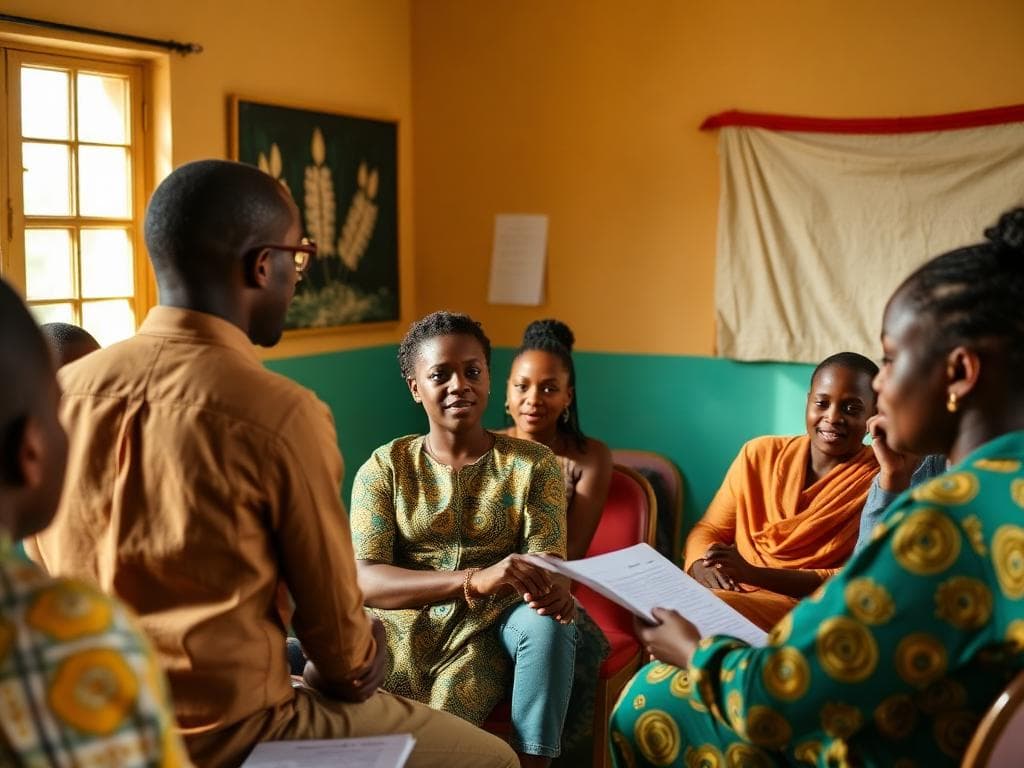
Empowering Women and Youth Through Community-Led Development
Women and young people in Nigerian communities face unique barriers to participation and leadership. COMPSEI's empowerment programs create pathways for inclusion, skills development, and meaningful decision-making.
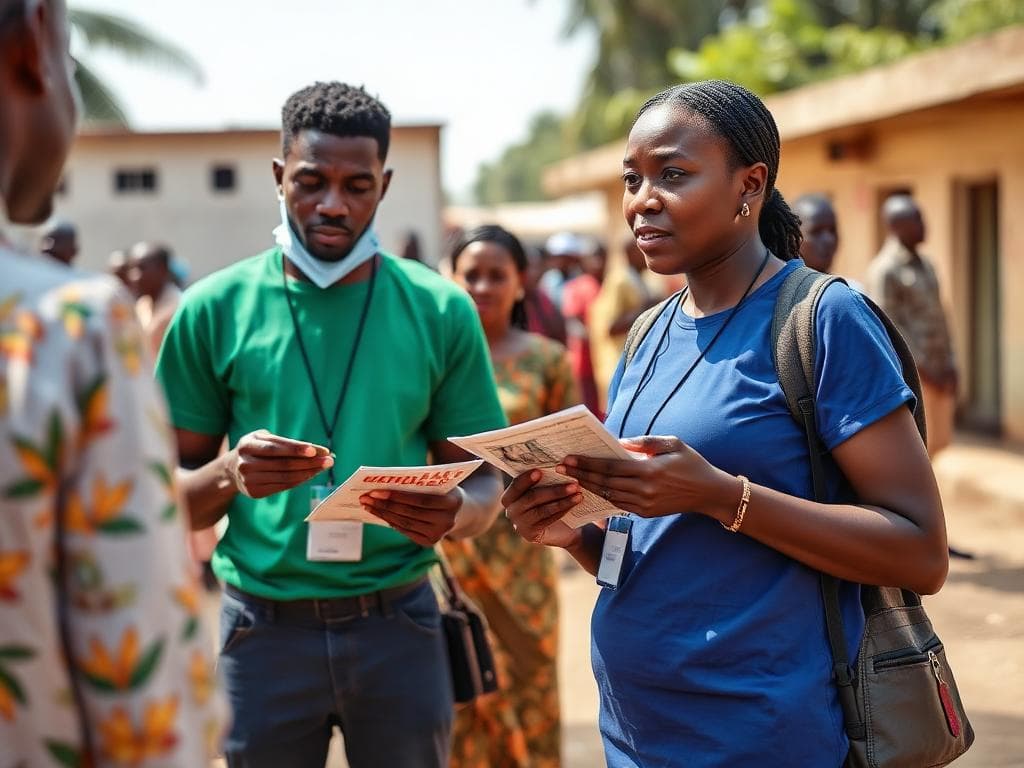
Breaking the Silence: Tackling Mental Health Stigma in Nigerian Communities
Stigma remains one of the greatest barriers to mental health care in Nigeria. Through advocacy, community education, and training of traditional leaders, COMPSEI is working to change the conversation — and save lives.
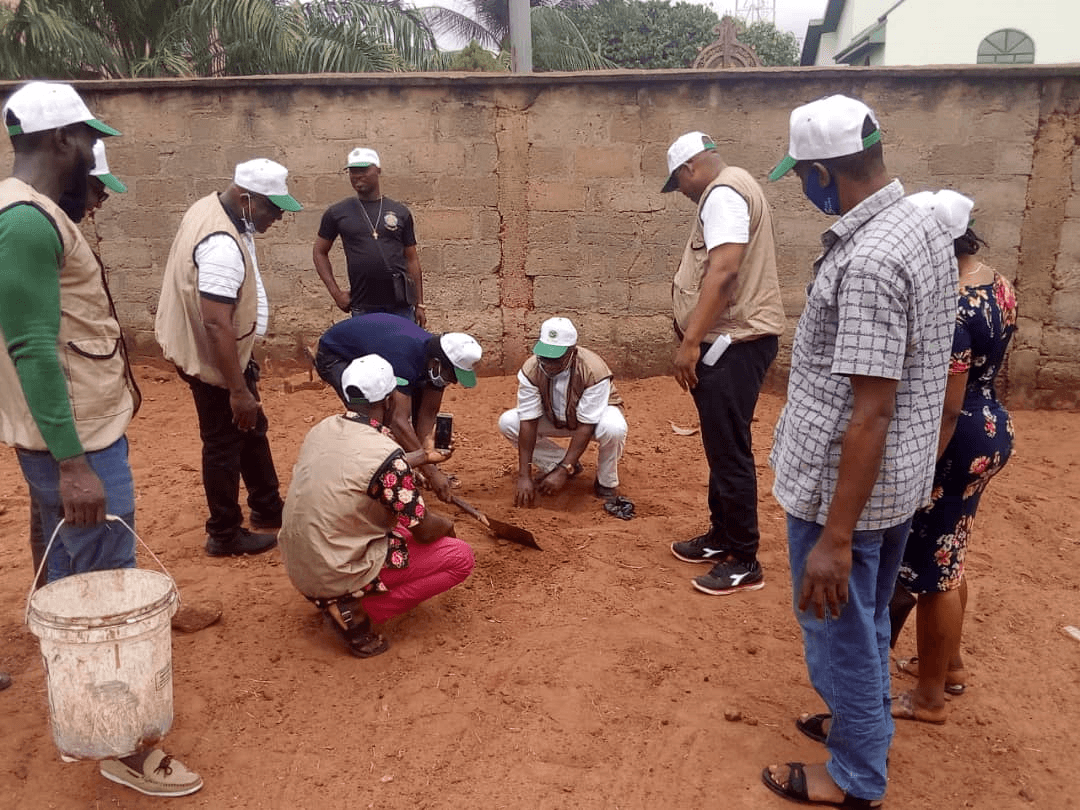
Peer Support Groups: A Grassroots Tool for Community Resilience
When professional mental health services are out of reach, peer support groups offer a powerful, community-owned alternative. COMPSEI shares how facilitated peer support transforms lives in underserved Nigerian communities.
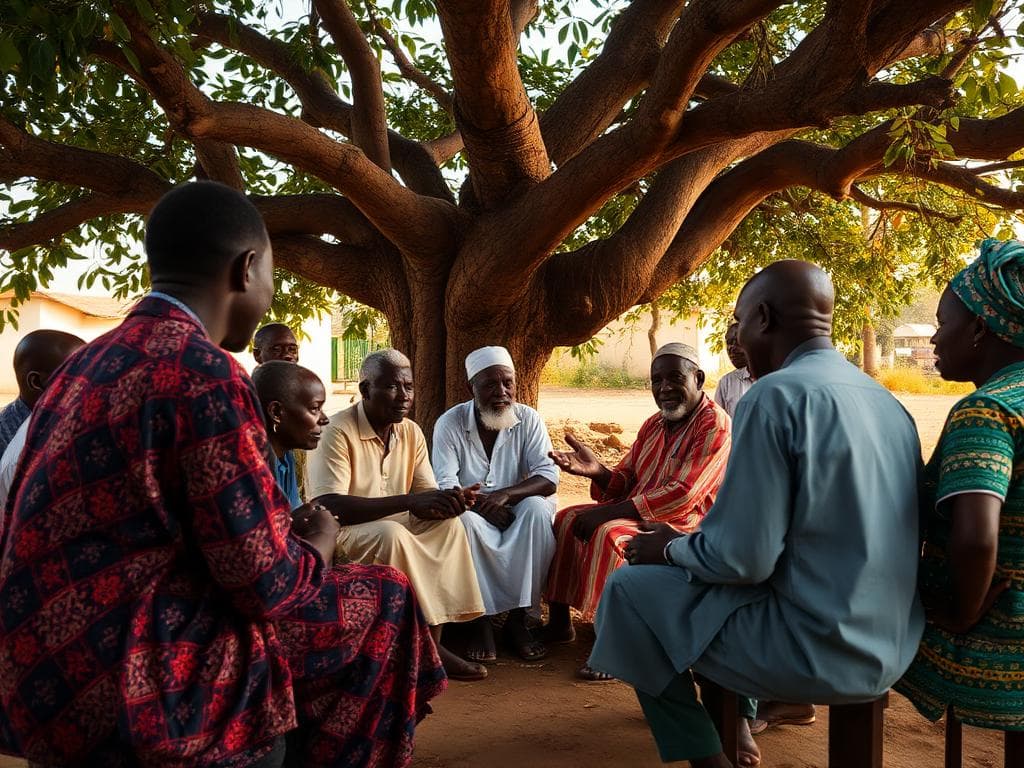
Flooding, Displacement, and Psychosocial Recovery: COMPSEI's Disaster Response Approach
Nigeria's flooding crisis leaves communities not just physically displaced but emotionally shattered. COMPSEI's disaster response framework integrates psychological first aid with long-term community recovery support.
Want to Learn More?
Explore our programs or get in touch to learn how COMPSEI is making a difference in Nigerian communities.